%20(1).png)

August 6, 2026
Ecommerce Hiring Process: A Practical Guide to Building a Team That Can Scale
Build a stronger ecommerce hiring process with eight practical steps for defining roles, screening candidates, running interviews, and scaling responsibly.
.avif)
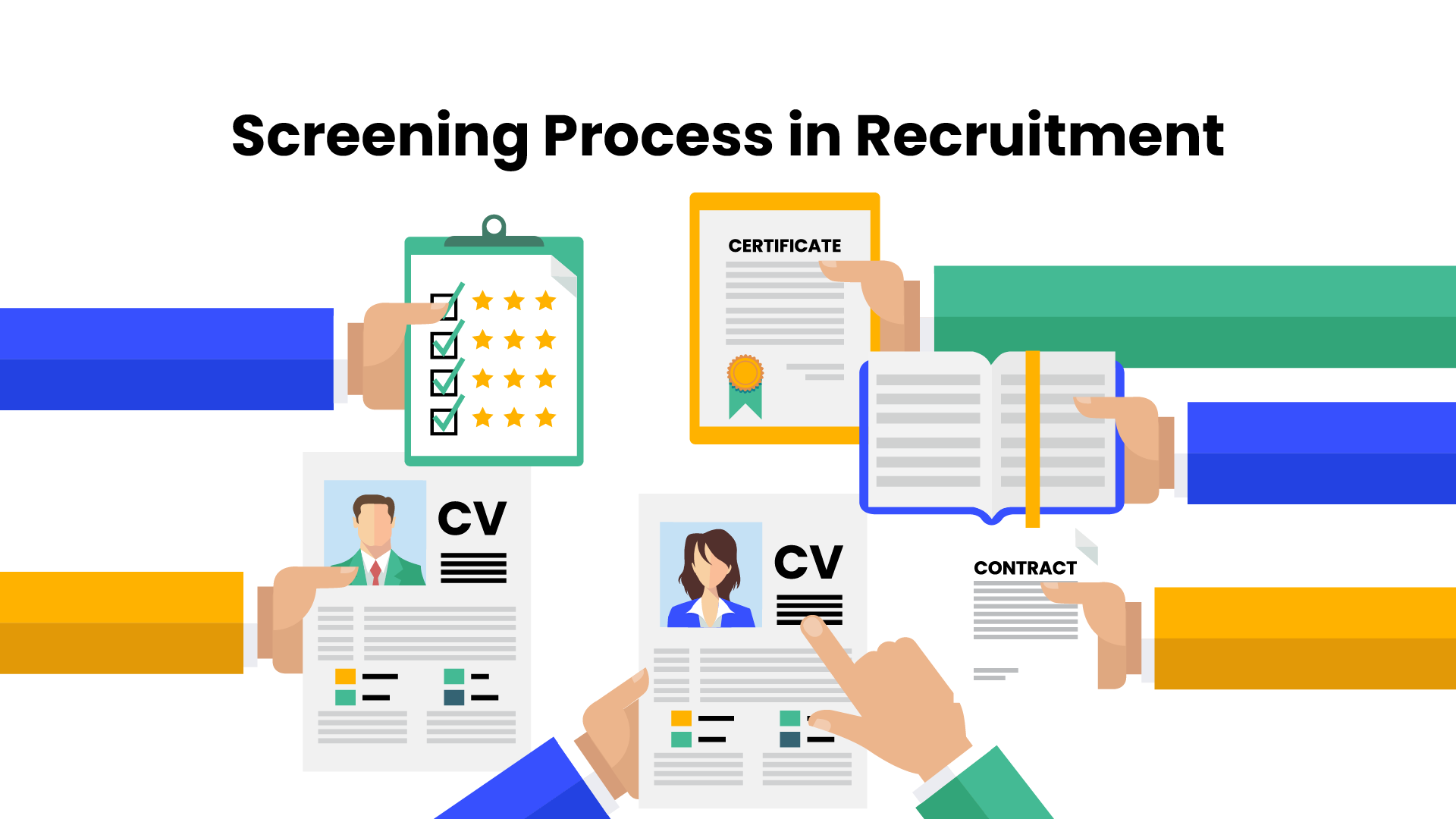
Some hiring teams move fast, and others take weeks to decide on the same role. The difference between them often comes from how they screen candidates.
A clear and steady screening process keeps a team focused on real signals instead of guessing. It also prevents long searches through email threads or repeat questions with every applicant.
This guide explains five candidate screening methods that many companies use today. It also shows which tools can help each step run smoother.
There are many ways to review candidates such as checking resumes, running short calls, or assessing skills, but a few methods consistently show up across different companies. The next five approaches are used most often, and each one supports a different part of the hiring decision.
Resume screening is often the first step because it checks the basics such as education, past roles, skills, and work history.
This works best when recruiters already know which criteria are must-have and which ones are only nice-to-have. Without clear criteria, recruiters may rely too heavily on keywords, previous company names, or personal judgment.
Even so, resumes only show what applicants choose to share. They do not confirm skill level or give a clear picture of workplace fit. Because of that, most companies rely on more steps to understand a candidate fully.
Recommended tools: KitaHQ, Workable, Greenhouse
Phone screening is a short conversation used to confirm basic fit before moving candidates to a deeper interview stage.
Recruiters usually use this method to clarify information that may not be clear from the resume, such as salary expectations, notice period, availability, motivation, location, and communication style.
Phone screening is simple, direct, and useful when recruiters need a quick human check before inviting candidates to a longer interview. But, it can become time-consuming when applicant volume is high.
Recommended tools: Humanly, Metaview
Video interview screening helps recruiters review candidates beyond the resume without always needing to schedule live calls.
In a structured first-round video interview, candidates answer the same role-related questions. Recruiters can then review responses, compare communication quality, assess motivation, and evaluate whether candidates understand the role expectations.
This method is especially helpful when hiring teams need to screen many candidates across different schedules, locations, or time zones.
Recommended tools: KitaHQ, Hirevue, Willo
See also: Video Interview vs Phone Interview: Which Screening Method Is Better?
Skills tests give employers a direct look at what candidates can actually do. These tests might involve coding tasks, writing tasks, language checks, or role-related activities that give a fair measure of ability. Since everyone completes the same tasks, results are easier to compare.
This method reduces the risk of hiring someone who appears qualified but struggles in real work. It also helps highlight strengths that may not appear on a resume. The main weakness is the time involved, and a test that feels long or unclear may discourage strong candidates.
Recommended tools: HackerRank, Codility, TestGorilla
Gamified job simulations are interactive assessments that place candidates in realistic work scenarios.
Instead of only asking candidates what they would do, this method lets them respond to simulated tasks, challenges, or decision-making situations. The format may include scenario-based games, work simulations, situational judgment tests, or interactive role-based exercises.
This method can make screening more engaging while helping recruiters assess how candidates behave in job-relevant situations.
Recommended tools: Harver, Arctic Shores
Each method gives a different kind of insight, and most hiring teams use more than one to understand a candidate fully. The table below offers a simple snapshot of how these methods compare and the situations where each one works best.
See also: How to Do a Background Check: A Comprehensive Guide for Employers
The best screening method is the one that matches what you need to learn about a candidate at each stage. Some steps filter quickly, while others help confirm skills or workplace fit. The points below explain how to match each method to your role, hiring pace, and team capacity.
Technical roles often require more than a resume review. Skills tests give clearer proof of ability when the work involves complex tasks. For general roles, resume checks or short early screens may be enough, and roles centered on communication or teamwork benefit from some form of behavioral check.
Low-volume hiring gives teams more time for longer conversations or detailed assessments. High-volume hiring creates pressure, so early filters need to move fast to keep the process steady. In those situations, automated resume review or pre-interview screening helps teams stay organized without losing strong candidates.
Some industries must confirm credentials before they go further. This may include checking identity, confirming education, or verifying certifications tied to safety or regulation. These steps protect the organization and ensure every hire meets required standards.
Smaller teams often need screening steps that save time and reduce manual effort. Larger teams or those with more resources can combine several methods to create a fuller picture of each candidate. The best mix depends on how much time the team can commit and how quickly the role must be filled.
See also: How to Improve Your Candidate Screening Process: 10 Practical Ways
A steady screening process helps teams move through hiring with a clearer path and less pressure. Each method in this guide offers its own way to understand candidates, and choosing the combination that fits your needs makes early choices simpler. When your tools help with pacing and structure, the hiring stages connect more smoothly.
Hiring will always depend on human judgment, but reliable systems give that judgment stronger support. With better information on skills, fit, and potential, teams spend less time unsure and more time selecting candidates with confidence. This balance helps you build a team that grows stronger with every hire.
If you want a faster and more consistent way to screen candidates at scale, now is a good moment to see how candidate screening software like KitaHQ can support your process.
Industry: Banking
KitaHQ is an AI hiring software that helps teams screen faster, run AI video interviews, and evaluate candidates consistently.