.avif)





Who This is For in Customer Service Operations
High-volume, routine inquiries where initial triage becomes the bottleneck

Frontline Service Team
- Customer Service Officer
- Front Desk
- Technical Support
.png)
Contact Centre Support
- Call Centre Agent
- Inbound Customer Support
- Collections Support

Operations & Specialized Support
- Claims Processors
- Billing Support
- Member Services Reps
How Customer Service Hiring Breaks With Scale
High-volume roles create repeat work, inconsistent standards, and scheduling
bottlenecks for CX managers

High Volume of Candidates
First-round checks get repeated and inconsistent across hiring manager or recruiter
.svg)
Missing Customer Fit
Resumes cannot signal tone or empathy. Poor fit is often only discovered during time-consuming live interviews.
.svg)
Inconsistent Interview Across Location
Different locations apply different criteria. Managers end up re-screening because they mistrust the shortlist.
.svg)
Key Mismatches Surface Too Late
Mismatches in language proficiency, shift availability, or tech etiquette surface only after the interview begins.
What Customer Service Teams Need to Screen Early
Keep this strictly early-stage screening signals
Protocol & Policy Logic
Evaluating if a candidate knows when to resolve an issue vs. when to escalate to a supervisor.
De-escalation Under Pressure
Maintains a calm, professional demeanor with difficult customers while strictly adhering to company procedures.
Communication & Soft Skills
Evaluating tone, clarity, and the ability to explain complex information to customers.
Tools Proficiency
Testing baseline familiarity with CRM tools, ticketing logic, and remote work technology.
Shift and Location Fit
Shows full readiness for shift rotations, weekend work, and the specified start date.
Problem-Solving Resilience
Assessing the ability to maintain accuracy and professionalism during peak volume periods.
How KitaHQ Fits Into a Customer Service Workflow
Replace manual screening with a structured qualification process that delivers shortlist-ready insights for your team
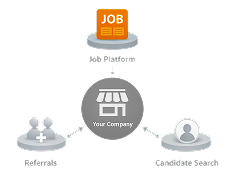
Sourcing
- Receives applicants from job boards, walk-in referrals, hiring campaigns, and grouped by channel.
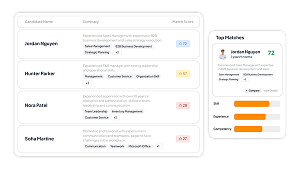
Manager Review
- Managers review structured summaries and focus on team fit, service judgement, and role depth, not repeating basics.
.avif)
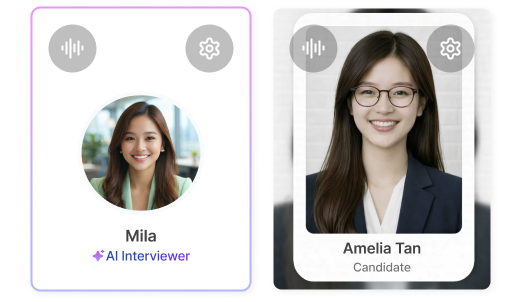
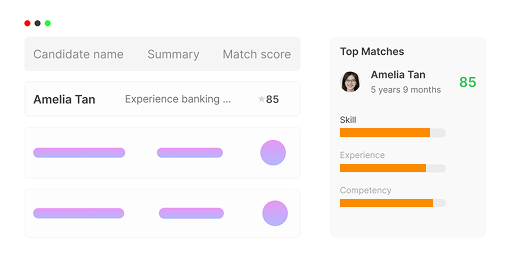
How KitaHQ Works for Customer Service Hiring
Apply consistent hiring benchmarks to every applicant, at any volume.
Role: Contact Centre Support
QUESTION
“Walk me through how you’d handle a frustrated customer calling about a delayed payment, from opening to follow-up and documentation.”
Skills Assessed
Structured call handling
Case discipline
Accuracy under pressure

Role: Digital Support Specialist
QUESTION
“Ticket response times have increased by 40% this week due to a product launch. How do you re-priorities the queue to maintain SLA targets?”
Skills Assessed
Resource prioritisation
SLA management
Analytical thinking
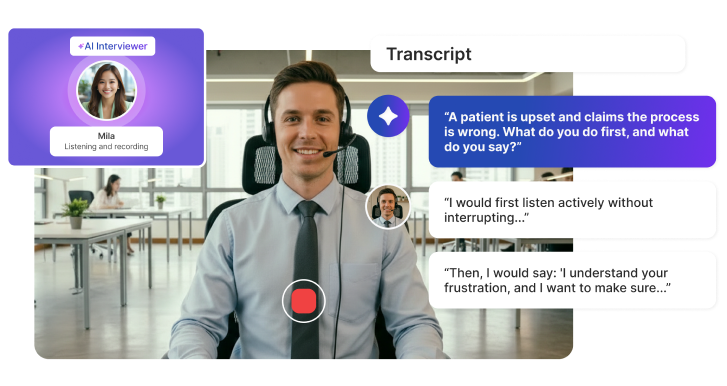
What Hiring Managers Receive for Customer Service Hiring
A structured output for every customer service candidate. Easy to review, compare, and move forward.

Interview Summary
Process accuracy, complaint handling, and shift/location commitment in one view.
Transcript and Recording
Full transcript and recording, so managers don’t need to repeat the first round.
Strengths and Follow Ups
What they’re strong at, what’s unclear, and what to validate next.
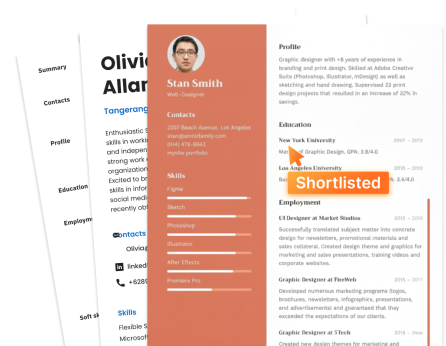
Candidate Shortlist
Compare candidates on the same criteria to shortlist faster across teams and sites.
Where KitaHQ Fits in Your Hiring Workflow
Fit Case To
Use KitaHQ

Contact centre or digital support teams with repeatable roles
Hiring surges for shift coverage and fast backfills
Faster shortlists for team leads and branch managers
Where Humans Are
Still Required
Comprehensive employment history and reference validation.
Live manager interviews for the final hiring decisions
Updating the question set when policies, fees, or service flows change
Ready to Scale Your Customer Service Hiring?
Standardise first-round screening and reduce repeat interviews across every shift, site, and support channel
Schedule Your Call
Explore Other Hiring Solutions


Frequently Asked Questions
Understanding AI Hiring Platform for Customer Service
Which customer service roles is this best for?
Best for high-volume, repeatable roles like branch customer service, contact centre agents, digital support (chat/WhatsApp), and multi-site customer service officers.
When is this a poor fit?
Not ideal for senior customer experience leaders or niche specialist roles where first-round screening isn’t the bottleneck. Also a poor fit if you require heavy verification steps before any screening can happen.
What still needs humans?
Humans still align the hiring criteria, run manager rounds for judgement and team fit, and make final hiring decisions.
What sits outside scope (checks and verification)?
Background checks and employment validation stay human-led. In regulated contexts, screening is covered, but verification remains outside KitaHQ.
Can this work for policy-heavy customer service (finance/payments)?
Yes—if you use scenario questions that test service steps, complaint handling, and exception paths. Your team must keep the question set updated when policies change.
How do managers trust the shortlist without redoing the first round?
Managers can review structured summaries plus the transcript and recording for the key scenarios. Trust improves when everyone uses the same screening criteria across branches or teams.
What’s the most common failure case?
Candidates give scripted answers and the questions are too generic, so everyone looks the same. Use role-specific scenarios and add 1-2 follow-up probes for borderline candidates.