%20(1).png)

August 6, 2026
Ecommerce Hiring Process: A Practical Guide to Building a Team That Can Scale
Build a stronger ecommerce hiring process with eight practical steps for defining roles, screening candidates, running interviews, and scaling responsibly.
.avif)
Global hiring gives companies access to a wider talent pool, but it also makes early-stage screening more complex. Candidates may be located in different countries, speak different first languages, and respond better when the interview process feels clear and accessible to them.
For recruiters, this creates a practical challenge: how to screen candidates across languages and time zones without slowing down the hiring process. Live interviews can be difficult to schedule, while inconsistent screening questions can make it harder to compare candidates fairly.
Multilingual video interview tools help hiring teams run structured first-round interviews remotely. Candidates can complete interviews on their own time, while recruiters review responses later.
Below, we compare five of the best solutions worth considering for global hiring teams.
Before choosing a platform, you should compare more than the number of supported languages. A tool may support transcription in many languages but still lack the structured reporting or scoring needed for high-volume screening.
Here are the key criteria to compare.
Start by checking what type of interview the tool actually supports.
Some platforms collect one-way video responses. Some support live interviews. Some combine interviews with skills assessments. Others use AI video interviews to help teams run first-round screening before recruiter or hiring manager review.
For multilingual hiring, raw video alone may not be enough. Recruiters often need transcripts, summaries, scores, recordings, and clear candidate reports so they can compare responses without relying only on memory or manual notes.
A good multilingual interview tool should make the process clear for candidates.
Candidates should be able to understand the instructions, receive questions in a language they are comfortable with, and answer naturally.
This matters because language barriers can affect how candidates communicate. A candidate may have the right experience, but if the interview experience is unclear or only optimized for English, recruiters may not get a fair view of their capability.
For global hiring, look for tools that support candidate-language interviews, not just translated recruiter dashboards.
This is one of the most important parts of multilingual hiring.
The recruiter may not understand the language used in the interview. That should not automatically block review.
A strong multilingual interview tool should help recruiters review candidates through English reports, summaries, scores, transcripts, and recordings.
The goal is not to remove human judgment. The goal is to give recruiters enough context to decide who should move forward, even when candidates complete interviews in different languages.
When candidates and recruiters are based in different markets, live scheduling can slow down first-round screening.
This matters more in multilingual hiring because the hiring team may be reviewing candidates across countries, branches, or regional roles. A flexible video interview tool can reduce scheduling back-and-forth by letting candidates complete the first round at a suitable time.
Still, scheduling flexibility should not be the only reason to choose a tool. Recruiters should also check whether the completed interview gives them enough review context to decide who should move to the next stage.
Pricing matters, but it should not be the only factor. Before comparing costs, check what the tool is actually built for.
See also: 10 Types of Interviews Every Recruiter Should Know
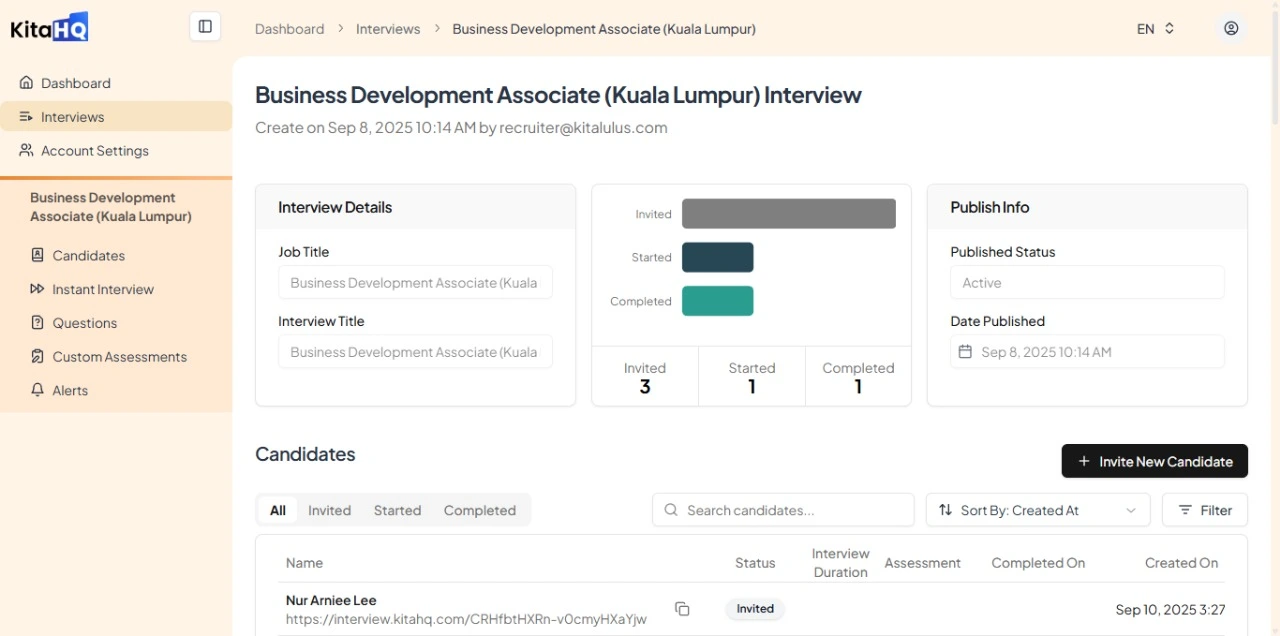
KitaHQ helps global hiring teams run AI video interviews without live scheduling.
Candidates can complete interviews in their chosen language. The AI interviewer can speak the candidate’s language, and KitaHQ can generate same-language transcripts, summaries, scores, recordings, and English reports for recruiter review.
This is useful when recruiters need to screen candidates across countries, languages, and time zones, but do not personally understand every language used in the interview.
Instead of relying only on raw recordings, recruiters receive structured reports they can review and share with hiring managers.
What KitaHQ Helps With
For multilingual hiring, KitaHQ supports a more complete workflow:
Language Support: English, 中文 (Mandarin), 日本語 (Japanese), Spanish, Bahasa Indonesia, 廣東話 (Cantonese), Bahasa Melayu, and more.
Pricing: Starts at less than $1 per candidate, with tiered packages available for teams that need higher interview volume or broader workflow support.
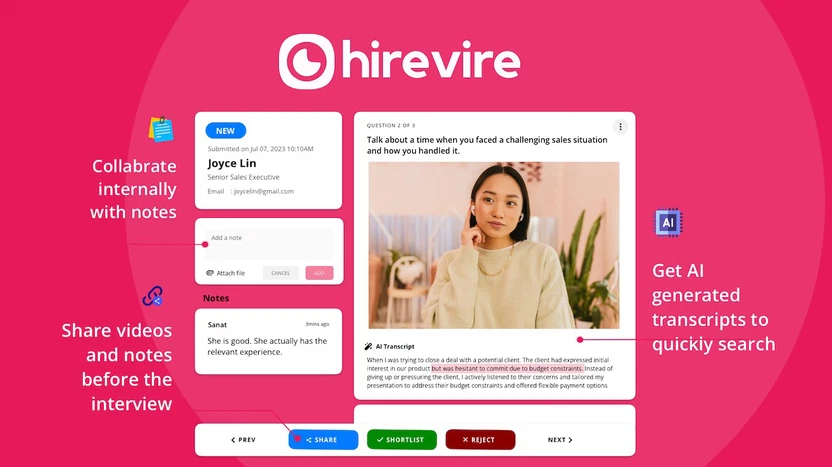
HireVire is useful for teams that want candidates to submit recorded responses without live scheduling. It can work well when the hiring process is simple and recruiters mainly need to collect video, audio, text, or file-based responses from candidates.
What HireVire Helps With
Language Support: AI-powered transcription in 90+ languages
Pricing: HireVire’s Essentials plan starts at $39/month when billed yearly, with a 7-day free trial and no credit card required. It also lists Professional and Agency plans for teams with higher hiring needs.

Xobin is a better fit for teams that want interviews to sit alongside skills testing and assessment workflows. It can be useful when the hiring process depends heavily on tests, role-based assessments, coding tasks, or structured evaluation modules.
What Xobin Helps With
Language Supports: Offers 29+ languages for video interviews, featuring real-time translation and cultural adaptation to ensure seamless communication with candidates worldwide.
Pricing: Xobin’s AI interview page positions its AI interview pricing at $5 per interview, with no setup fees and pay-per-use pricing. Its general pricing page also describes the platform as pay-as-you-go.
See also: 8 Most Affordable AI Video Interview Tools: Pricing Guide for Hiring Teams
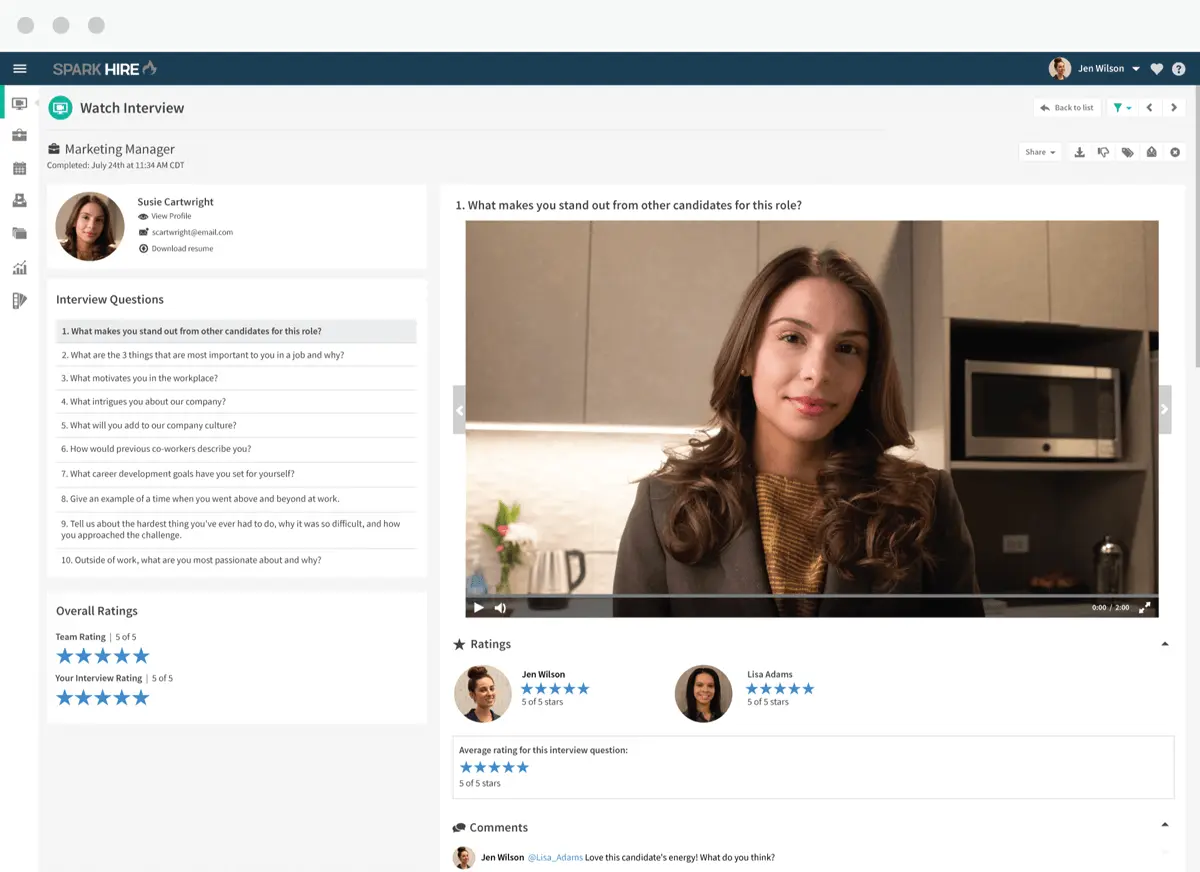
Spark Hire is an established video interview platform that supports one-way video interviews, live interviews, and hiring workflows. It is often used by teams that want a reliable video interview process with collaboration and review features.
What Spark Hire Helps With
Language Support: Transcription feature recognizes and generates transcripts in over 50 languages.
Pricing: Spark Hire’s pricing page states that video interview software starts at $249/month and includes unlimited video interviews. Pricing may vary based on company size and selected products.
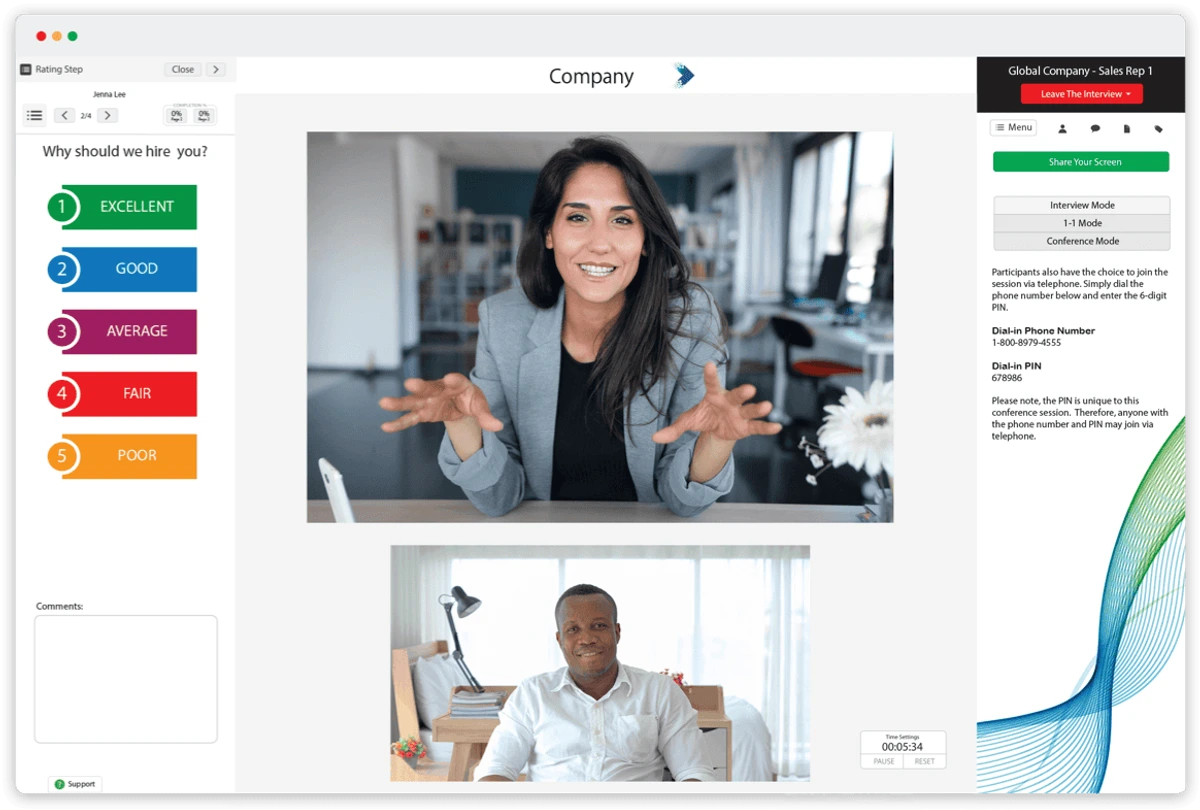
VidCruiter is a recruitment platform for organizations that need structured interviews, pre-recorded video interviews, live interviews, interview scheduling, automated references, skills testing, and broader hiring workflow support.
What VidCruiter Helps With
Language Support: Supports any language needed, with organizations able to offer an unlimited number of languages per job posting or video interview.
Pricing: VidCruiter does not publish fixed pricing on its pricing page. Instead, companies need to request a custom quote based on the recruitment solutions they need.
Multilingual hiring is not only about translating interview answers. It is about giving candidates a clearer experience while helping recruiters evaluate responses consistently across countries, languages, and time zones.
The best platform depends on how your team hires.
If you only need simple one-way responses, a lightweight video screening tool may be enough. If you need broader assessments, choose a platform with testing and evaluation modules. If you need enterprise customization, a larger recruitment suite may fit better.
But if your team wants to automate multilingual first-round interviews and turn every completed interview into structured reports, KitaHQ is built for that workflow.
Explore KitaHQ’s AI video interview software to see how your team can screen candidates across languages without manual scheduling.
Industry: Banking
KitaHQ is an AI recruitment software that helps companies screen candidates, manage applicants, and keep candidate communication moving in one connected workspace.