November 18, 2026
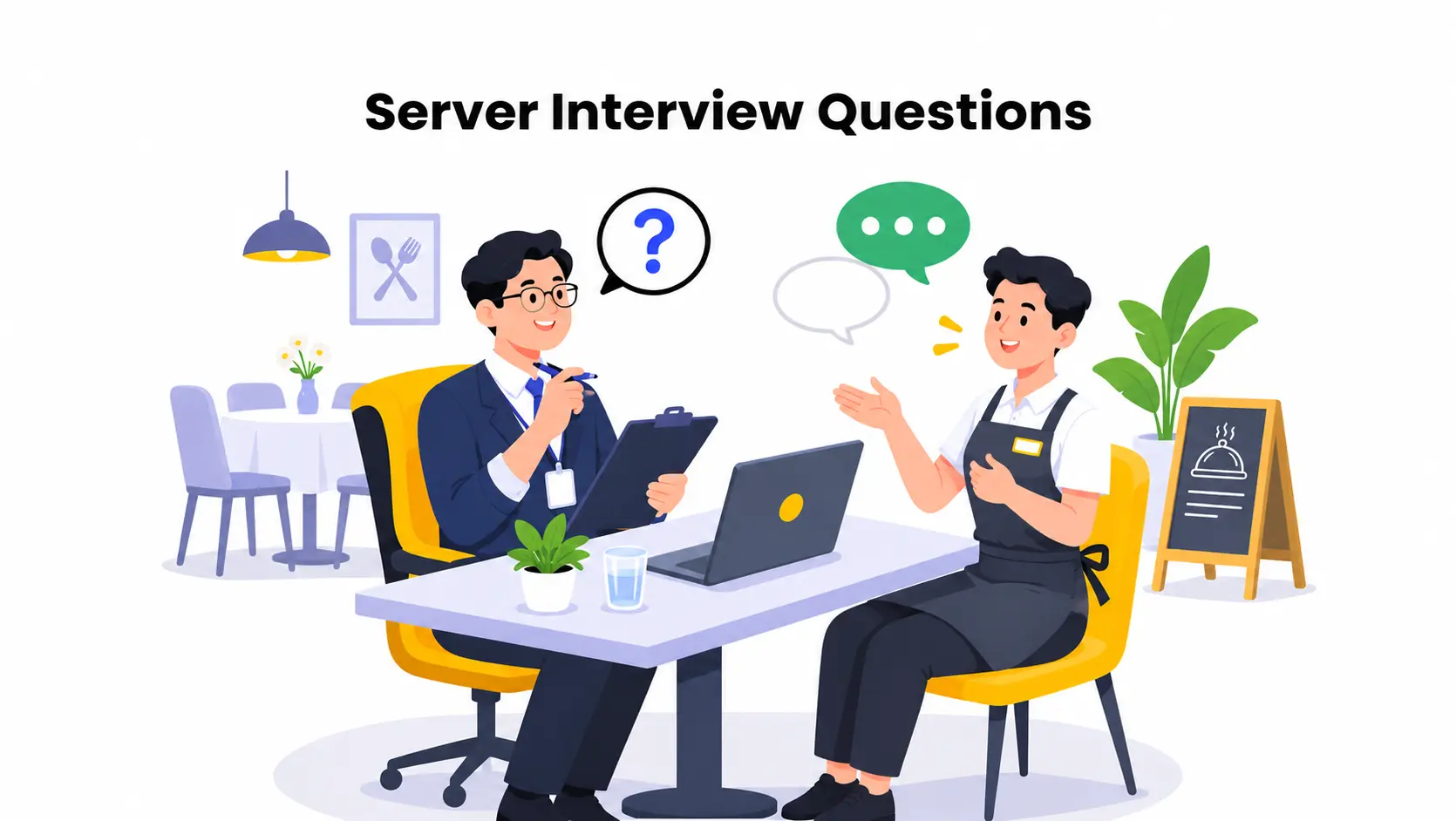
30 Server Interview Questions (and What Strong Answers Look Like)
These server interview questions will guide your conversations and help you spot trusted candidates who have the skills you are looking for.

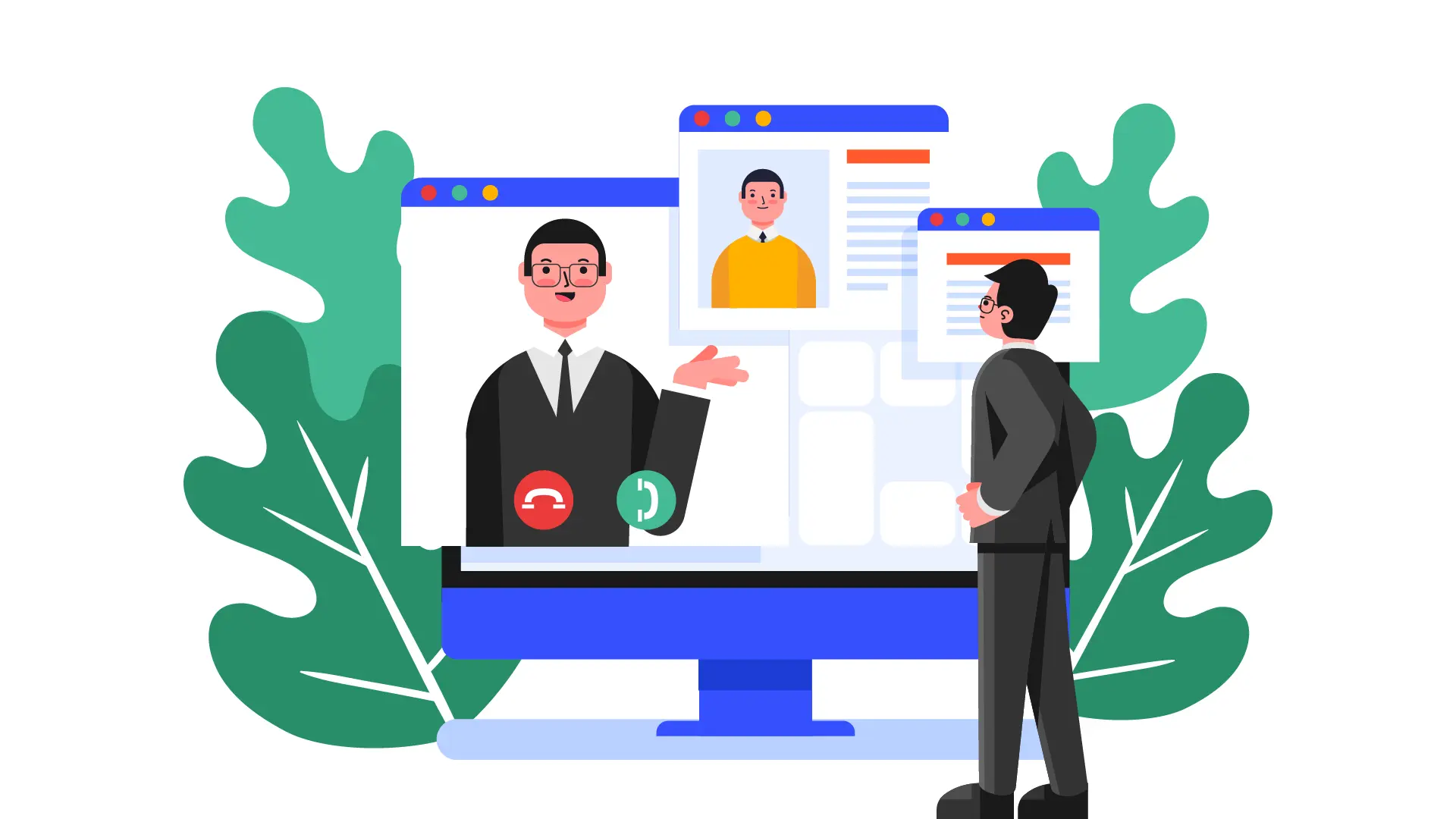
AI interview tools for hiring are not all built the same way. Some use an AI interviewer to run the conversation and ask follow-up questions. Others collect recorded or live interviews and use AI to transcribe, summarize, or score the responses.
This guide compares 7 of the best AI interview tools for hiring in 2027, covering AI-led screening, recorded interviews with AI-assisted review, and recruiter-led live interviews.
Not all AI interview tools serve the same purpose. Some conduct the interview themselves, some collect recorded responses for recruiters to review later, and some support live interviews with AI-assisted notes and scoring.
To compare these options, we reviewed publicly available product documentation, feature descriptions, and pricing information, focusing on five factors:
The term covers two different approaches.
Below, we have listed 7 of the best AI interview tools for hiring. Some are built for AI-led first-round screening, some combine several interview formats, and some work better for structured or recorded interviews with AI-assisted review. Use the comparison table first, then review the tools that match your workflow.
Quick comparison table
Disclaimer: This comparison is based on publicly available information. Pricing and features were reviewed in October 2026 and may change.
AI role: AI-led
KitaHQ is an AI video interview software designed for hiring teams managing frequent or high-volume first-round interviews, including candidates across different countries and time zones. Instead of scheduling individual screening calls, recruiters can invite candidates to complete structured interviews 24/7, whenever it works for them.
Acting as an always-on hiring assistant for first-round screening, KitaHQ uses a human-like AI interviewer that holds two-way conversations, listens to candidate responses, and asks relevant follow-up questions in real time.
After each interview, recruiters receive structured reports to review before deciding which candidates should proceed.
Core Features:
Best fit:
Companies hiring frequently for sales, retail, customer service, operations, education, hospitality, and other repeatable, especially teams screening candidates across different locations and time zones.
Limitations:
Not the best fit for executive hiring, highly relationship-led interviews, or teams that mainly need deeper role-specific testing rather than first-round interview screening.
AI role: AI-led
InterviewFlowAI is an AI interviewing platform that conducts conversational phone, audio, and video interviews so recruiters do not need to join each first-round session. The AI generates follow-up questions from each candidate’s answers and returns scorecards, transcripts, recordings, and ranked shortlists for recruiter review.
Core Features:
Best fit:
Recruitment teams exploring AI-led first-round interviews, particularly those that need both video and phone screening.
Limitations:
Pricing is tied to interview credits. Phone interviews and ATS integrations are not included on the Pilot plan, and cheat detection and trust scoring are limited to Scale and above. Buyers should check total costs against expected monthly interview volume.
AI role: AI-led and AI-assisted
Jobma is a video interviewing and assessment platform that offers one-way interviews, live interviews, and autonomous AI interviews. Its AI interviewer holds a two-way conversation with the candidate and adjusts follow-up questions based on their answers. A recruiter can also join an ongoing AI interview and take over, turning it into a live video interview.
This lets hiring teams use AI-led interviews for early screening and live interviews for later stages, without switching tools.
Core Features:
Best fit:
Companies and staffing teams that want AI-led screening for early rounds, live interviews for later stages, and assessments in the same platform.
Limitations:
Pricing is not published, and some capabilities, including AI features and live interviews, vary by subscription plan. Teams that only need one interview format should compare whether the broader feature set justifies the cost.
AI role: AI-led and AI-assisted
HireVue is an enterprise hiring platform that combines video interviews, structured evaluations, AI-driven assessments, and conversational AI.
Its AI Interviewer conducts dynamic, two-way voice interviews, asking follow-up questions and evaluating candidate responses against role-specific criteria. The platform also supports on-demand video interviews and live interviews involving recruiters or hiring managers.
Core Features:
Best fit:
Enterprise hiring teams with high-volume recruitment needs, structured hiring processes, and global candidate pools.
Limitations:
HireVue may be more than smaller teams need. It is likely a better fit for companies with established recruitment operations, larger hiring volumes, and the resources to manage an enterprise-level platform.
AI role: AI-assisted
Spark Hire combines one-way and live video interviews with tools for collecting hiring team feedback. It is designed for recruiters who want to review candidate responses and involve hiring managers without relying on repeated screening calls.
For one-way interviews, Spark Hire offers AI-generated summaries, transcripts, and optional AI scoring on specific competencies to help teams prioritize candidates faster.
Core Features:
Best fit:
Small and mid-sized businesses, recruitment agencies, and hiring teams that regularly involve multiple people in candidate evaluation.
Limitations:
Spark Hire’s AI features are built for reviewing recorded responses, not for running AI-led conversations. Pricing can increase with company size, and add-ons such as assessments cost extra.
AI role: AI-assisted
VidCruiter is an interview management platform designed for organizations that need configurable workflows, standardized evaluations, and support for different interview formats.
It combines one-way recorded interviews, live interviews, scheduling, and structured evaluation tools with AI-assisted scoring and notes to help recruitment teams manage interviews across multiple hiring stages.
Core Features:
Best fit:
Enterprise hiring teams, public sector organizations, and companies running structured interviews across multiple departments or regions.
Limitations:
The broader configuration and implementation requirements may be excessive for smaller organizations seeking a straightforward interviewing tool.
See also: 7 Powerful Benefits of AI in Recruitment You Shouldn’t Ignore
AI role: AI-assisted
Willo is a candidate screening platform built around self-completed interviews. Candidates submit recorded video, audio, written, or multiple-choice responses on their own schedule, without coordinating a live meeting with recruiters. Hiring teams can then review responses, apply scorecards, and share feedback with colleagues.
Core Features:
Best fit:
Small businesses, recruitment agencies, and organizations looking for structured recorded interviews with flexible usage options.
Limitations:
Willo does not offer live video interviews or real-time AI-led conversations. The Lite plan limits live roles and assessed candidates, and AI summaries and ATS integrations are listed under the Enterprise plan.
See also: Recorded Interviews for Hiring: When They Work Best
Video interview software pricing varies depending on the platform, hiring volume, and features included. Among the tools compared in this guide, published starting prices range from $59 to $249 per month, with some platforms charging per active role and others using monthly subscriptions or custom enterprise pricing.
The most cost-effective option depends on your hiring frequency, interview volume, and preferred pricing structure.
Pricing and plan limits are based on publicly available vendor information. Actual costs may vary depending on billing terms, selected plans, and usage.
For small businesses, a budget-friendly video interview app should offer enough interview capacity without requiring a large annual commitment. The best option depends on whether you hire occasionally or conduct interviews regularly.
For example:
When comparing affordable AI-powered video screening tools for small businesses, look beyond the starting price. Consider interview allowances, additional usage costs, AI capabilities, and the number of recruiters who need access.
Before choosing a platform, calculate the cost based on completed interviews, not just access to the software.
Use this simple formula:
Monthly tool cost ÷ number of completed candidate interviews = cost per completed interview
For example:
If a platform costs $300 per month and your team completes 100 interviews, your cost per completed interview is $3.
If the same platform costs $300 per month but your team only completes 20 interviews, your cost per completed interview becomes $15.
This is why hiring volume matters.
A tool with a higher subscription price may still be affordable if your team screens many candidates. A tool with a low monthly fee may become expensive if it does not include the reports, reminders, or automation your team needs to actually complete and review interviews.
No single AI interview tool is best for every team. The better question is which one fits your workflow and how much of the interview you want AI to handle. If you need structured first-round interviews, multilingual support, and manager-ready interview outputs for high-volume or repeatable hiring, KitaHQ is one of the stronger fits on this list. See the AI Video Interview solution for a deeper look at how it works.
KitaHQ is an AI recruitment software that helps companies screen candidates, manage applicants, and keep candidate communication moving in one connected workspace.